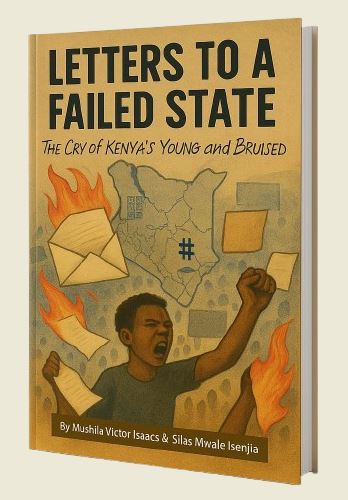
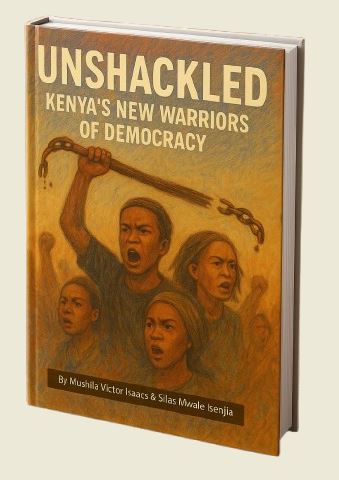
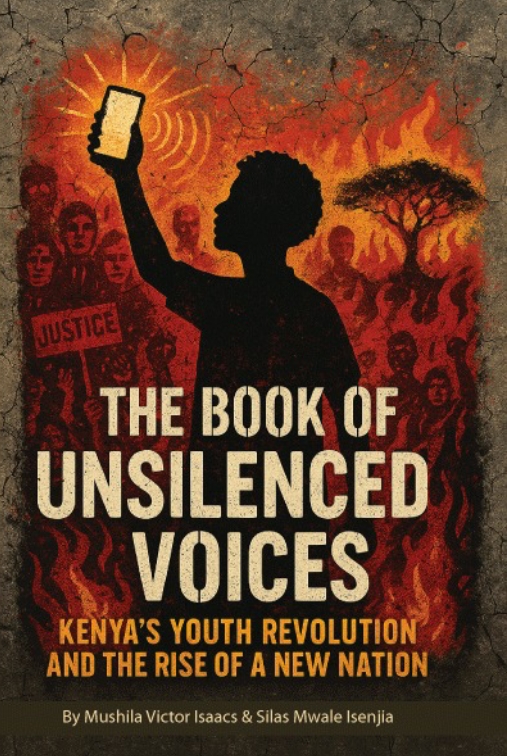
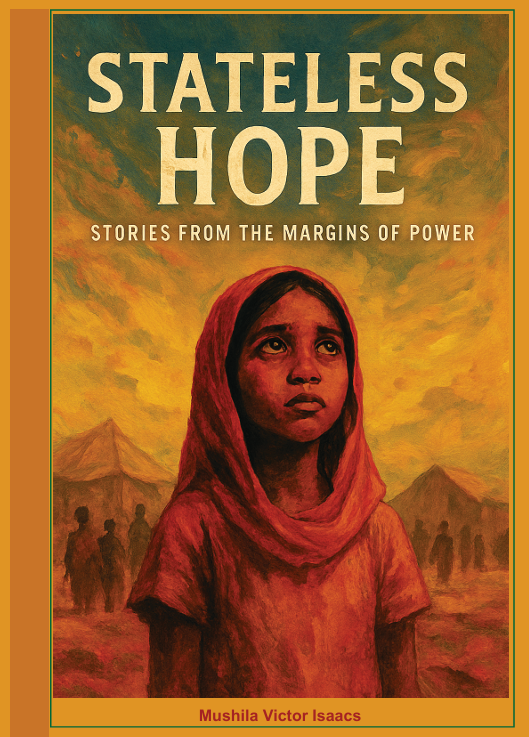
Dear Freedom, You once wore a crown of fire, kissed by the breath of Mau Mau forests and baptized in the rivers of resistance. You spoke through rusted machetes and prayers whispered in detention camps, through mothers who hid bullets beneath their breasts, and fathers who buried songs of liberty in shallow graves. You were the promise made beneath the acacia tree, where elders said, "Uhuru ni haki ya kila mmoja"—freedom is the right of every person. But what have you become? We inherited your silence, not your courage. Your oath, not your ownership. We, the children of your revolution, stand amidst the ruins of a house we never built but were told to call home. Our grandparents told us stories of how they fought for this land. But they never warned us that the war would change faces. That the new colonizer would speak our languages, wear our flags, and swear on the very Constitution they would later mock. That independence would become a revolving door, spinning in the hands of elites who feed on memory but are allergic to justice. We do not carry machetes—we carry hashtags. We do not meet in forests—we meet in encrypted chat rooms with names like "Ground_001" or "Watetezi_wavijana"—Defenders of the youth. We do not fear the colonial governor—we fear our own elected leaders, whose sirens announce not security but suppression. The baton has changed hands, but the bruises remain the same. My name is Amani, and I was born in 2002, the year the old regime fell, and the new one promised the skies. I remember my mother naming me Amani—Peace—hoping that I would live in a land that did not eat its own children. But even peace has grown weary. I am a software engineer. But in this system, being smart is not enough. I earn less than what a county clerk makes in fake allowances. My taxes pay for stomachs that never fill. They told us education was the key. We took loans, sold land, slept hungry to finish school. But now we queue at job centers with degrees like broken keys that can’t open any doors. On June 18th, 2024, I joined a protest not with a stone but with code. We built an app to track police movements and alert protestors. We created QR-linked posters with real-time legal aid contacts. We distributed them anonymously on Signal and Telegram. One of our team members was a paraplegic activist named Baraka. His wheelchair had once been vandalized during a protest in 2023. He said to me once, "Kama siwezi kukimbia, nitakaa hapa hadi haki ipite."—If I can’t run, I will sit here until justice passes by. Baraka’s courage was louder than sirens. When the teargas came, he covered his face and kept filming. He reminded us that bodies may be broken, but spirits must never bend. He became a symbol—etched on digital murals, his chair a throne of resistance. In one of our forums—called "Subira_ya_mapinduzi," or Patience of a Revolution—we hosted nightly reflections, encrypted and only accessible via multi-factor authentication. These forums were therapy, resistance, and prayer rolled into one. One night, a girl named Neema from Mathare spoke: "Kuna uchungu usio na machozi"—There is a pain that has no tears. She spoke of her brother who was taken, never charged, never seen again. We listened in silence, the kind that stretches across Wi-Fi signals and chokes you softly. The problem is not that we do not love this country. It is that we have been taught to love it quietly, apologetically, as if our love is a crime. We grew up being told, "Usiseme sana—utawekwa"—Don’t speak too much—you’ll be taken. So we spoke in symbols, painted murals in the dark, wrote poems as protest, and sang songs that danced between rage and reverence. In school, we were taught that independence came in 1963. But they never taught us that true freedom was postponed indefinitely. They never taught us that elections would become auctions, and parliament a marketplace of betrayal. They never told us that our votes would be swallowed by algorithms manipulated before dawn. One night, we intercepted a leak—an internal memo showing plans to infiltrate online protest groups. It came from a foreign cybersecurity firm contracted by our own government, funded partly by international aid. The irony was brutal. The same international community that sent envoys urging calm also signed checks that kept the tools of repression alive. They spoke of stability, but what they meant was silence. They praised our "democratic resilience" while ignoring the bodies piled in backstreets. To the donors and diplomats: your statements are too late. Your concern is too calibrated. Your neutrality is complicity. You see youth as statistics or development indicators. But we are the children of rage, the offspring of betrayal. We are not waiting for your permission to be free. And to our parents: we do not blame you for dreaming. But we cannot live in your nostalgia. The world has changed. You told us the ballot is sacred, yet we saw it auctioned. You said patience is a virtue, but we’ve waited long enough. Our rent is overdue. Our friends are in exile. Our dreams bleed. We can’t eat history. We can’t drink slogans. You sing of unity, but we live in tribal databases. You praise integrity, yet you line up to cheer thieves. You taught us to pray, but never to protest. To obey, but never to question. You gave us names like Tumaini (Hope), Imani (Faith), and Baraka (Blessing), but you raised us in a house of fear. Now the youth are awake, and you call us rude. But we are not rude—we are raw. We are not lost—we are learning. We are not ungrateful—we are unshackled. We do not want your titles, your mansions, your motorcades. We want fairness. We want food that costs less than dreams. We want hospitals that heal, schools that think, roads that lead somewhere other than corruption. I remember the day Baraka was arrested. He was wheeled into the police truck like a piece of furniture. They laughed. Said, "Hii ni nchi ya wenye nguvu"—This is a country for the strong. But they forgot that strength is not just muscle. It is conviction. It is memory. It is refusing to forget. This book you hold is not a souvenir. It is a siren. A cry from those who refuse to die in silence. It is written in code, in chants, in broken bones and swollen eyes. It is written in the silence after gunshots. In the gaps between what was promised and what was taken. From independence to indifference—that is our inheritance. But we are rewriting it. We are the correction. We are the version history that cannot be deleted. We are the update that was never approved. We are what happens when a generation stops asking and starts becoming. Kenya, tulilia uhuru kwa damu—Kenya, we cried for freedom in blood. Lakini sasa, tunalia tena—But now, we cry again. Only this time, the world is watching. And we are not crying alone. —Amani (Letter #8, digital underground)