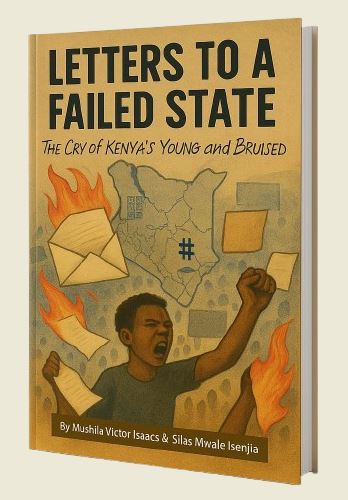
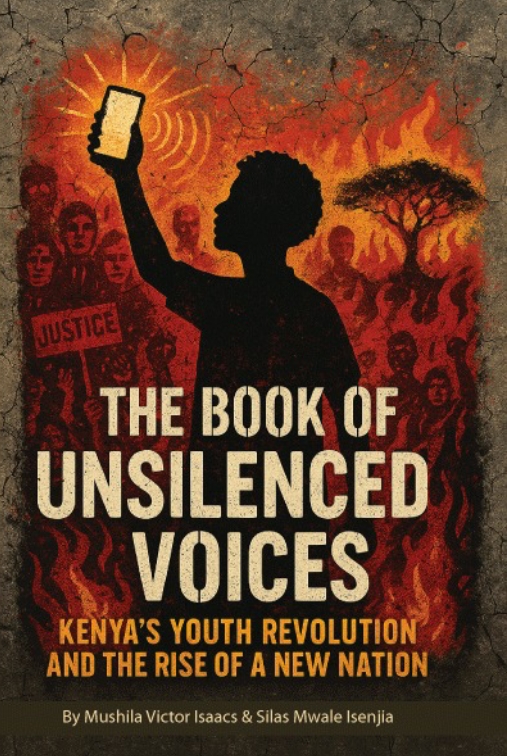
Dear Kenya, We were born into the illusion of a dream already dying. The flag waved in our classrooms, but we could not feel its wind. The anthem played each morning, but we had forgotten its meaning. We stood in line to recite loyalty, while our hearts stood in protest. From the moment we could reason, we were taught that silence was maturity, that questioning was rebellion, and that survival meant obedience. But in this age, we are neither silent nor obedient. For too long, the weight of our inheritance has been a suffocating silence. The kind of silence that screams in every empty pocket, every untold story, every young Kenyan buried before their time. We are a generation raised on broken promises, fed on borrowed dreams, and burdened by debts we did not incur. Our parents, weary from decades of compliance, handed us quietness like it was wisdom. But we—children of hashtags and heartbeats—refused to inherit their fear. The Finance Bill of 2024/2025 was not just a policy. It was a mirror, revealing the cracked face of a state no longer invested in its children. It was a betrayal, not only of economic decency but of human dignity. While ministers flew abroad for treatment, our hospitals lacked gloves. While politicians posted selfies in Dubai, our mothers waited five hours for matatus. When bread became luxury, and unga (flour) a currency of despair, we knew we had reached the boiling point. And so we rose—not with guns, but with hashtags. Not with political endorsements, but with heartbreak. Twitter, now called X, became our parliament. In those threads of digital fury and laughter, something magical happened. We legislated hope. We proposed dignity. We impeached silence. The tag #RejectFinanceBill2024 trended globally for five consecutive days. Not because of strategy meetings in boardrooms, but because 17-year-olds with cracked screens and midnight data bundles decided that enough was enough. They tweeted between study breaks, in cybercafes, during evening walks, under blankets where the blue light was a torch of revolution. We turned memes into manifestos, pain into pixels. "Sisi si wanyamazishe"—we will not be silenced—echoed across feeds, re-posted by influencers and unknowns alike. And when the government bots tried to flood the algorithm with counter-narratives, we danced around them with satire. Our humor became our shield. Our tears, our armor. It wasn't the famous alone who led the charge. It was the anonymous girl in Kakamega who recorded her mother crying over taxes. It was the boy in Mathare who posted a video of raw sewage running beside his classroom. It was the university dropout in Kisumu who created digital posters with Swahili slogans: "Vijana sio mzigo, ni taifa"—youth are not a burden, they are the nation. One influencer, a young woman known only as @FreedomMrembo, posted a thread that read like scripture: "My father told me never to question the government. He said, 'Wataweka jina yako kwa list.' (They will put your name on the list.) I asked him, 'Which list, baba? The one of the dead or the unemployed?'" That post was retweeted over 300,000 times. It was shared in WhatsApp groups from diaspora mothers in Boston to jobless graduates in Nakuru. Her courage, wrapped in sarcasm and truth, became a rallying cry for many. But it wasn't without cost. The state, fragile in its masculinity, responded with teargas, bullets, and arrests. Protesters were hunted like game in the wild. They disappeared in the middle of the night, their names whispered only in grief. One mother, holding a picture of her son, told a rights observer, "Waliniua kabla ya ndoto yake kukua meno." They killed him before his dream could grow teeth. The Kenya Human Rights Commission issued a damning report. It called out systemic brutality, illegal detentions, and digital surveillance of youth voices. "The state has become predator and prosecutor," the report read. "Instead of protecting its children, it fears them. Instead of listening, it silences." We wrote our resistance in code. Some accounts went dark for safety. Others became anonymous torches, burning brighter with each attack. Digital security workshops spread through DMs and Telegram links. We shared VPNs like secrets, passwords like prayers. We knew our battlefield was not just the street—but the screen. In this new revolution, a meme could inspire thousands. A short video of a girl crying in front of Parliament moved hearts globally. Her voice trembling as she asked, "Mnataka tukule nini? Matumaini?" (What do you want us to eat? Hope?) Our parents watched in fear and awe. Some told us to stop. They remembered the Moi years, the disappearances, the beatings, the betrayals. Their caution was love—but we needed more than love. We needed courage. And they, too, began to change. One mother brought her son lemons and salt after he returned from protests—her way of saying, "I'm scared, but I'm proud." The symbolic letters began to pour in. Young people writing as if to a failed father—the state—pleading not for wealth, but for worth. Letters read out loud in public readings, shared in protest camps, printed and dropped from drone banners over city centers. One such letter read: "Dear Kenya, You raised us on loyalty and then betrayed us with greed. You taught us to sing the anthem, but you silenced our songs. You gave us education but no employment. You told us to dream, but buried the dreamers. We are not asking for paradise. We are asking for justice. We are not enemies—we are your children. See us. Hear us. Or lose us." These weren't just protests. These were love letters to a nation on the brink. And like any lover betrayed, we did not fight because we hated. We fought because we once believed. From the urban concrete of Nairobi to the dusty lanes of Garissa, youth formed alliances without tribal boundaries. There were no party colors, only pain. No political slogans, only unity. A boy from Nyeri and a girl from Kibera sang the same chant: "Uhai si favor!"—Life is not a favor! The protests became poetry in motion. A nation that once glorified survival was now singing of revival. The heartbeat of Kenya shifted. We were no longer background noise—we were the drum. The state's failure was now obvious, not just in its policies but in its paranoia. They shut down internet towers in select regions. They infiltrated Twitter Spaces. They raided the homes of TikTokers. But every time they cut one voice, three others rose. The hydra of hope could not be slain. A renowned international journalist likened it to "a youthquake the world should study." One final tweet, posted on the night of a violent crackdown, said: "We might die tonight, but not in vain. The hashtags are planted. Tomorrow, they will grow into policy. Into memory. Into monuments." That tweet now stands on a wall mural near City Stadium, painted beside faces of those we lost. They did not die as rebels. They died as reminders. Our story is still being written. In courtrooms, in classrooms, in churches and chatrooms. But this chapter—this uprising of hashtags and heartbeats—proved one thing: the youth are not asleep. They are awake, angry, and articulate. They are the parliament we never elected but desperately needed. And if the state remains deaf, it will be hashtags that write its epitaph. Signed, A generation that bleeds but believes.