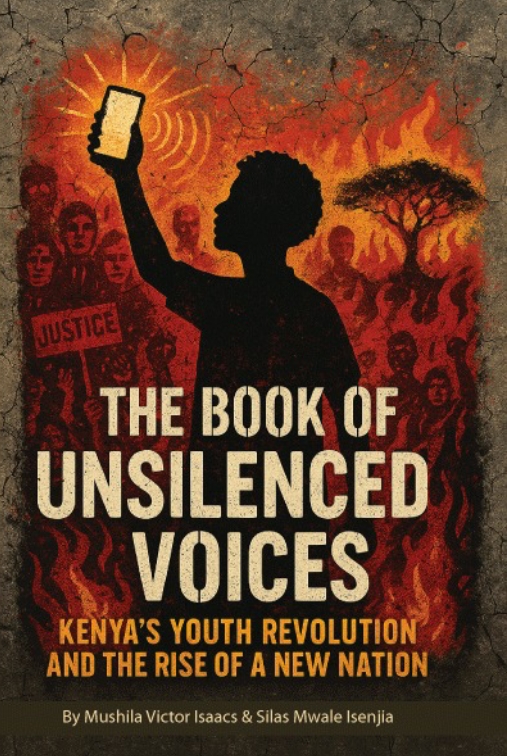
The streets of Nairobi, once bursting with chants, now whispered with the hush of grief. Charred signs read: "Bread, not bullets." Walls still bore chalk: "We were fire." Volunteers scrubbed blood from pavement stones. Children collected shattered glass like treasure. Baraka, now with a bandage around his chest, walked through Gikomba Market where tear gas once suffocated his friends. He whispered: “We marched for a new dawn… but dawn is colder than we expected.” The death toll stood at 43 confirmed, hundreds wounded, countless disappeared. The Mothers of the disappeared took on a new role. They built a “Wall of Light” at Uhuru Gardens. Each brick bore: • A name • A date • A short phrase: “He wanted to be a doctor”, “She sang every morning.” No government officials came. Only youth, clergy, and the quiet wind. At a hastily convened press conference, President Mwangale, flanked by fatigued generals and bitter advisors, read a brief statement: “I misread the heartbeat of this nation. I step aside to let Kenya breathe.” He did not cry. But the teleprompter blinked, revealing the words “optional apology” left untouched. Some cheered. Others were skeptical. Lulu tweeted: “Resignation is not redemption. We still need justice.” Rev. Zawadi led an interfaith procession: • Muslim imams, Christian bishops, Hindu monks • Youth holding candles, some in wheelchairs • Mothers in white, holding torn Bibles and Qur’ans. They walked from City Stadium to State House gates. They prayed, not for vengeance, but for wisdom. A banner stretched across the street: “The Revolution is God’s Answer to Our Silence.” Within the youth movement, tensions emerged: • Some wanted to negotiate transitional leadership • Others demanded complete dismantling of current systems • A few proposed forming a political party; others rejected institutional politics outright. Kalu warned: “Every revolution eats its children. Let’s not be dinner.” Meanwhile, protests spread to Mombasa, Kisumu, and even into Uganda and Tanzania, where youth adopted Kenyan chants. Taji, now under internal review for desertion, spent his nights organizing debrief sessions for fellow officers traumatized by the violence. “We followed orders. But what if the orders were wrong?” His journal entry: “The flame burned my uniform. But maybe that’s what I needed—to finally feel something again.” Baraka and Jirani met again in a community center in Kayole, where they launched a new project: “The Flame Cradle” – a trauma storytelling circle. Youth gathered not to plot—but to process: • What they lost • Who they became • What still needed to be born. Each story was archived in an encrypted audio library named: The Book of Unsilenced Voices.