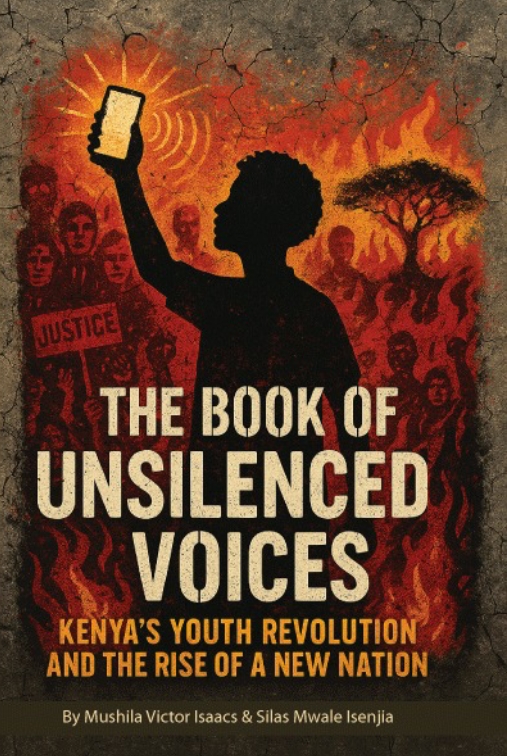
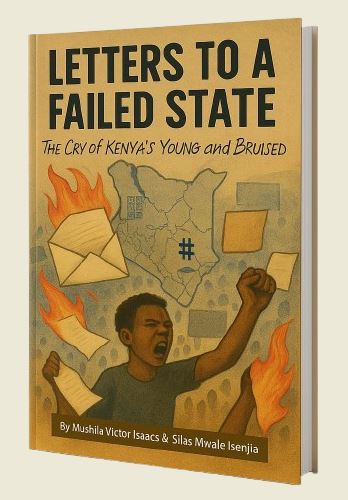
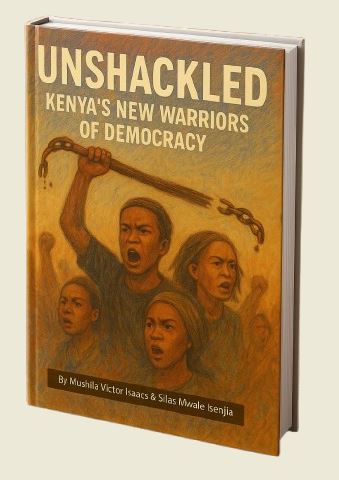
When violence broke out on Moi Avenue, the government announced: “Rioters have vandalized public property and disrupted peace.” But the youth livestreamed the truth: Police opened fire first. No stones were thrown—only chants. Protestors carried flags and water bottles. Then Baraka posted: “You call it a riot. But every revolution looks like a riot to those who profit from silence.” Lulu spray-painted over road signs in Kibera: • Langata Road became Baraka Way • Raila Junction became Freedom Crossing • City Hall Way was relabeled Memory Lane—after the disappeared. Soon in Eldoret, Mombasa, Embu, and Kisumu, corners were renamed: • Justice Avenue • The People’s Bridge • June 25 Circle. Some were erased by authorities. Others reappeared in chalk, ink, and blood. “If you will not name our truth,” wrote Jirani on a wall, “we will tattoo it into Kenya’s map.” Rev. Zawadi walked arm-in-arm with students. In one hand, she held a Bible. In the other, a placard that read: “Revolution is what the prophets preached.” Snipers watched from rooftops. A grenade rolled toward the crowd, but youth formed a human circle and kicked it back. “They think we fear death,” whispered Baraka, “but we have already died many times—in silence, in hunger, in joblessness.” Officer Taji, deployed in full riot gear, spotted Baraka on the frontline. Baraka’s mask was off. His face was tired—but brave. Taji turned his rifle upside down. He walked forward. Tossed his badge at Baraka’s feet. Then raised both hands. Silence followed. One by one, other officers lowered their weapons. One yelled: “We didn’t join the force to fight our children!” The moment trended globally: #KenyaTurns. State Spokesperson Omondi thundered on TV: “These are foreign-funded anarchists, dismantling our sovereignty.” But BBC, Al Jazeera, and Reuters played split screens: • Omondi speaking • Youth being teargassed • Peaceful protestors singing the national anthem • Police trucks ramming barricades. The contrast was damning. In Nakuru, over 1,000 mothers marched silently, each holding a photo of their missing child. Their slogan: “Revolution is Motherhood.” One mother, Mama Eunice, carried her son’s phone—its screen cracked, its wallpaper still Baraka’s mask. “They call our sons violent. But violence is what they endure every day.” That night, Baraka livestreamed from an undisclosed location. He faced the camera. His voice was low. Every word sharpened by grief and hope. “They called us headless. Now we have heads full of courage. They called us nameless. Now our names echo through every street. They called this a riot. But this is a revolution. A cleansing flame—not to destroy, but to purify.” Millions watched. In silence. In awe. In tears. On a wall outside a torched police post, graffiti read: “You tried to bury us in false words. But we were seeds. And this is our season.” Below it, the youth painted one final message: “Revolution, Not Riot.”